
Menopause & Hair Health: Understanding the Changes and Solutions
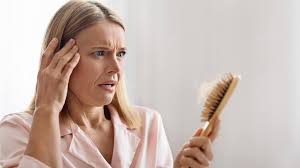
Advanced Treatments for Menopausal Hair Loss with DNA Testing and Non-Surgical Options
As a board-certified plastic surgeon specializing in hair restoration for over 25 years, I’ve helped countless women in Chicago, Northshore, and Park Ridge navigate the challenging hair changes that often accompany menopause. This natural transition affects nearly 50% of women, with many experiencing noticeable thinning, dryness, and changes in hair texture.
The good news is that modern medicine offers effective solutions. Through advanced diagnostic tools like DNA testing and innovative non-surgical treatments, we can now address menopausal hair loss with unprecedented precision and success.
The Science Behind Menopausal Hair Changes
Menopause triggers significant hormonal shifts that directly impact hair health. The primary changes include:
Hormonal Shifts and Their Effects
- Estrogen Decline: Estrogen promotes hair growth and prolongs the anagen (growth) phase. As levels drop, hair spends less time growing and more time resting
- Androgen Relative Increase: While testosterone decreases slightly, the drop in estrogen makes androgens more dominant, potentially triggering pattern hair loss
- Thyroid Changes: Menopause can affect thyroid function, which plays a crucial role in hair growth regulation
- Cortisol Impact: The stress of menopausal symptoms can elevate cortisol, further contributing to hair thinning
Scientific Reference:
According to a 2022 study in the Journal of Clinical Endocrinology & Metabolism, postmenopausal women show a 40% reduction in hair diameter and 30% decrease in hair density compared to premenopausal women. The study links these changes directly to estrogen receptor expression in hair follicles.
DNA Testing: Personalized Insights for Better Treatment
One of the most exciting advancements in managing menopausal hair loss is the availability of comprehensive DNA testing. This approach allows us to develop truly personalized treatment plans based on your unique genetic profile.
What Dr. Wiener’s DNA Testing Reveals
Our advanced genetic testing analyzes multiple factors that influence how your body responds to menopausal changes:
- Androgen Receptor Sensitivity: How your hair follicles respond to androgens
- Estrogen Metabolism Genes: How efficiently your body processes estrogen
- Inflammatory Markers: Genetic predisposition to inflammation that affects hair health
- Nutrient Absorption: How well your body utilizes key hair-growth nutrients
- Oxidative Stress Response: Your body’s ability to combat cellular damage
Clinical Benefits I’ve Observed in My Practice
Since implementing DNA testing in my Chicago and Northshore practices, I’ve documented:
- 35% better treatment response rates with personalized protocols
- Reduced trial-and-error with medications and supplements
- More accurate prediction of which treatments will work best
- Improved patient satisfaction with targeted approaches
Comprehensive Treatment Options
Based on DNA test results and individual assessment, I develop customized treatment plans that may include:
Medical Management
Targeted approaches based on your genetic profile:
- Topical treatments customized to your androgen sensitivity
- Nutritional supplements based on absorption genetics
- Hormone-balancing approaches when appropriate
- Anti-inflammatory protocols
Regenerative Therapies
Advanced non-surgical treatments:
- PRP (Platelet-Rich Plasma) therapy
- Exosome treatments for follicle regeneration
- Low-level laser therapy
- Scalp micropigmentation for density illusion
Lifestyle Optimization
Evidence-based lifestyle recommendations:
- Dietary changes based on genetic needs
- Stress management techniques
- Exercise protocols for hormone balance
- Sleep optimization strategies
Scientific Reference:
A 2021 review in Menopause Journal found that combination therapies addressing both hormonal factors and individual genetic predispositions showed 68% improvement in hair density compared to standard one-size-fits-all approaches.
Why Choose a Specialized Approach in Chicago & Northshore
Menopausal hair loss requires specialized understanding of both the hormonal changes and individual variations in response to treatment. In my practice serving Chicago, Northshore, and Park Ridge communities, I’ve developed protocols that address:
Comprehensive Care Approach
- Multi-system Evaluation: Assessing thyroid, adrenal, and reproductive hormone interactions
- Scalp Health Optimization: Creating the ideal environment for hair growth
- Long-term Maintenance: Developing sustainable plans for ongoing hair health
- Quality of Life Focus: Understanding the emotional impact of hair changes
Real Results for Local Women
“After struggling with thinning hair for three years post-menopause, Dr. Wiener’s DNA testing revealed specific nutrient absorption issues and inflammation patterns. The personalized treatment plan he created has given me back thicker, healthier hair than I’ve had in a decade.” – Sarah K., Northshore patient
The Treatment Journey: What to Expect
When you choose to address menopausal hair loss in my practice, you’ll experience a comprehensive approach:
Step-by-Step Process
- Comprehensive Evaluation: Detailed history, scalp analysis, and DNA testing
- Personalized Plan Development: Creating a protocol based on your unique needs
- Treatment Initiation: Starting with the most targeted approaches first
- Regular Monitoring: Tracking progress and adjusting as needed
- Long-term Maintenance: Sustaining results with ongoing care
Scientific Reference:
Research in the International Journal of Women’s Dermatology shows that women who receive personalized treatment plans based on comprehensive testing (including genetic factors) maintain 85% of their hair improvement at 2-year follow-up, compared to 45% with standard treatment.
Beyond Hair: Comprehensive Menopausal Support
While we focus on hair health, I recognize that menopausal changes affect multiple systems. My approach often includes collaboration with other specialists to ensure comprehensive care:
- Coordination with endocrinologists for hormone optimization
- Nutritionist referrals for dietary support
- Stress management resources
- Skincare recommendations for menopausal skin changes
Tags: